How are erythrocytes different from leukocytes?
One of the most distinctive characteristics of leukocytes is their movement. Whereas erythrocytes spend their days circulating within the blood vessels, leukocytes routinely leave the bloodstream to perform their defensive functions in the body’s tissues.
What is the difference between leukocytes and lymphocytes?
The difference between lymphocytes and leukocytes is that leukocytes are also known as white blood cells. On the other hand, lymphocytes are types of leukocytes or white blood cells. A lymphocyte is defined as a type of white blood cell made in bone and marrow and generally found in lymph tissue and blood.
How are erythrocytes different from other cells of the body?
Unlike many other cells, red blood cells have no nucleus and can easily change shape, helping them fit through the various blood vessels in your body.
Is erythrocyte a leukocyte?
The three classes of formed elements are the erythrocytes (red blood cells), leukocytes (white blood cells), and the thrombocytes (platelets).
What is the difference between WBC and leukocytes?
White blood cells (WBCs), also called leukocytes or leucocytes, are the cells of the immune system that are involved in protecting the body against both infectious disease and foreign invaders. All white blood cells are produced and derived from multipotent cells in the bone marrow known as hematopoietic stem cells.
Where erythrocytes are destroyed?
Hemolytic anemia may involve either intravascular hemolysis, in which red blood cells are destroyed within the circulation, or extravascular hemolysis, in which the cells are destroyed in the liver or spleen.
What are the functions of erythrocytes leukocytes and platelets?
Red blood cells (or erythrocytes) are the tool our bodies use for transportation, and white blood cells (or leukocytes) are responsible for keeping us free of disease and healthy. Finally, platelets (or thrombocytes) are responsible for clotting our blood when we have a cut or open wound.
What are the different kinds of white blood cells and their functions?
Types of white blood cells
- Monocytes. They have a longer lifespan than many white blood cells and help to break down bacteria.
- Lymphocytes. They create antibodies to fight against bacteria, viruses, and other potentially harmful invaders.
- Neutrophils. They kill and digest bacteria and fungi.
- Basophils.
- Eosinophils.
What are the five types of leukocytes and their functions?
Five Types of White Blood Cells. The 5 classes of WBCs , or leukocytes, differ in appearance and function. These classes include neutrophils, monocytes, lymphocytes, eosinophils and basophils. WBCs function primarily to protect and defend the body against infectious invaders, including bacteria, viruses, fungi and parasites.
What causes elevated erythrocytes?
Moderately elevated ESR occurs with inflammation but also with anemia, infection, pregnancy, and with aging. A very high ESR usually has an obvious cause, such as a severe infection, marked by an increase in globulins, polymyalgia rheumatica or temporal arteritis.
What causes high erythrocytes?
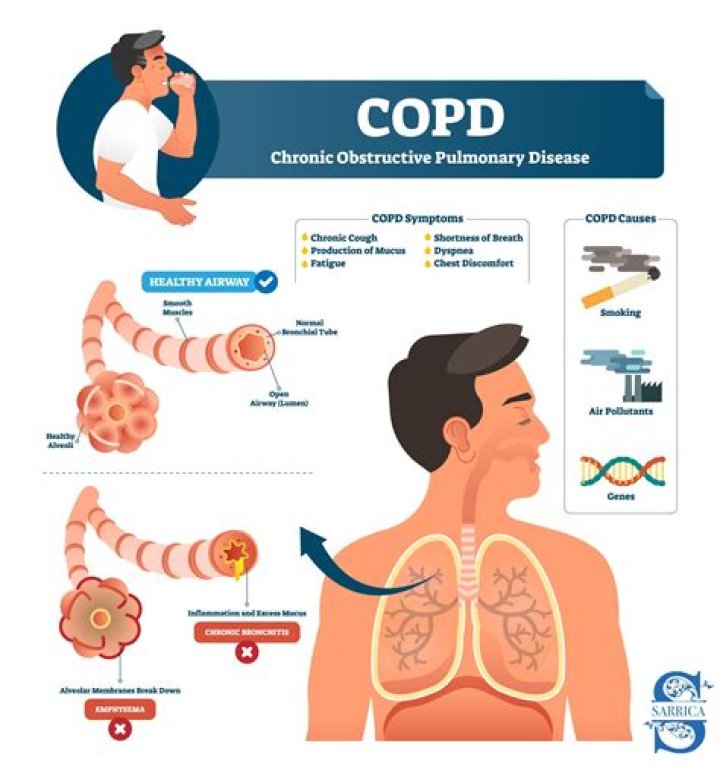
Some of the common conditions that can result in elevated erythropoietin due to chronic hypoxia or poor oxygen supply include: chronic obstructive pulmonary disease (COPD, emphysema, chronic bronchitis), pulmonary hypertension, hypoventilation syndrome, congestive heart failure, obstructive sleep apnea,
What is the least common leukocyte?
Basophils are the least common type of WBC, accounting for less than 1 to 2 percent of leukocytes in the bloodstream.