How does Hypochloremia cause respiratory alkalosis?
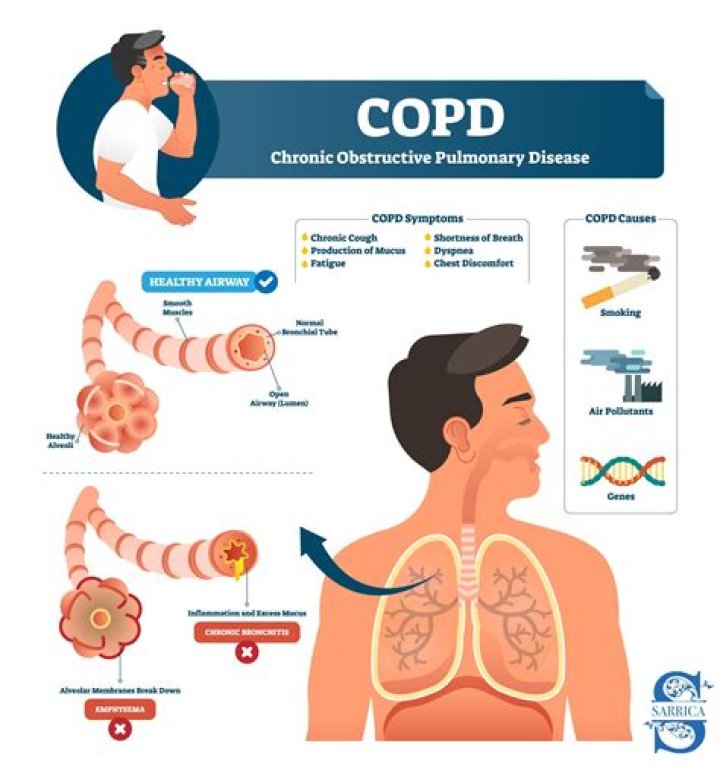
Hypochloremia may result from renal losses that also deplete sodium, such as osmotic dilution or use of diuretics. Hypochloremia with normal plasma sodium is observed in respiratory alkalosis, which may occur, for example, in the cases of pulmonary edema, chronic obstructive pulmonary disease, or asthma.
Why is chloride low in respiratory acidosis?
The low serum chloride which develops during respira- tory acidosis is associated instead with increased renal excretion of chloride together with potas- sium and ammonium, resulting in a net loss of chloride from the body.
How does low chloride cause metabolic alkalosis?
When HCl is lost through vomiting (including purging, in persons with eating disorders ) or nasogastric suction, pancreatic secretions are not stimulated and a net gain of bicarbonate into the systemic circulation occurs, generating a metabolic alkalosis. Volume depletion maintains alkalosis.
What are the causes of Hypochloremia?
Hypochloremia can be caused by:
- Diarrhea.
- Vomiting.
- Excessive sweating.
- Kidney problems.
- Chronic respiratory acidosis, which is when your body can’t remove all the carbon dioxide it produces.
- Syndrome of inappropriate antidiuretic hormone excretion (SIADH), when your body makes too much antidiuretic hormones.
Why does chloride increase in metabolic acidosis?
Infusion of large volumes of solutions containing sodium chloride and no alkali can cause a hyperchloremic metabolic acidosis. This is due to a dilution of the preexisting bicarbonate and to decreased renal bicarbonate reabsorption as a result of volume expansion.
How does diuretic cause metabolic alkalosis?
The generation of a metabolic alkalosis with diuretic therapy is primarily due to contraction of the extracellular fluid space caused by urinary losses of a relatively HCO3 -free fluid.
What is hyponatremia and hypokalemia?
In potassium depletion, the deficit of cellular potassium triggers cells to gain sodium from the extracellular fluid (to maintain volume and tonicity), generating hyponatremia coupled with hypokalemia. Potassium depletion also promotes renal sodium retention, thereby increasing exchangeable sodium.
Why does hyponatremia in DKA?
DKA is a state of absolute or relative insulin deficiency aggravated by ensuing hyperglycemia, dehydration, and acidosis-producing derangements in intermediary metabolism. The most common causes are underlying infection, disruption of insulin treatment, and new onset of diabetes.
How does hyperglycemia cause pseudohyponatremia?
In untreated diabetes mellitus, hyperglycemia is often associated with ketoacidosis, which can result in glycosuria and ketonuria (loss of glucose and ketones with urine), which can aggravate (true) hyponatremia 6 and with hyperlipidemia, which can cause pseudohyponatremia 5.
What is hypochloremic metabolic acidosis?
Hypochloremia as a consequence of anion gap metabolic acidosis. A possible explanation for this acidosis-induced hypochloremia is expansion of the extracellular compartment secondary to the extrusion of cellular cation that occurs in the process of buffering.