What are positives in screen printing?
If playback doesn’t begin shortly, try restarting your device.
What is a film positive plate for screen printing?
The positive film is used as the original with the blackened sections of the film correspond to the ink-accepting surface elements on the plate. The negative film is used as the original with the ink-accepting image areas of the printing plate correspond to the translucent, light areas on the film.
How do I prepare my graphics for screen printing?
Create Layers for Each Color # The most reliable way to produce artwork for screen printing is to manually prepare it in Adobe Illustrator. Each of the three colors is going to form a separate artwork in a separate layer, using elements from the main image for each color.
What is screen printing pros and cons?
Advantages and Disadvantages of Screen Printing
- 1 – Long lasting.
- 2 – Big Order Friendly.
- 3 – Great Finish.
- 5 – Versatility.
- 6 – Straightforward.
- 1 – Not practical for small orders.
- 2 – The more colors, the more expensive it is.
- 3 – It’s not environmentally friendly.
What is screen printing advantages and disadvantages?
One of the main disadvantages of screen printing is that it has a much higher initial setup cost than digital printing and takes more time. Other cons of screen printing include: more limited colour ranges available. the amount of ink used can make the design look as if it is raised from the print material.
How do you recycle screen printing?
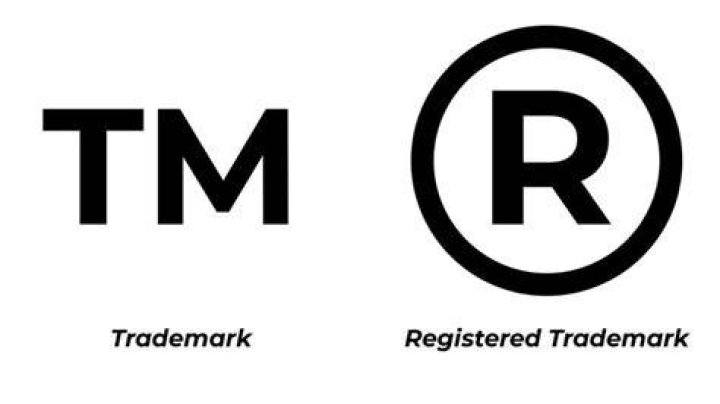
To Recycle Film Positives: It’s the most common and simple plastic to recycle. Add a recycling symbol to your art template, or somewhere on all your films. (You can always tape over it for printing) Dispose of these films in the proper bin along with other plastic recyclables.
What is the difference between negative and positive film?
A positive image is a normal image. A negative image is a total inversion, in which light areas appear dark and vice versa. Film negatives usually have less contrast, but a wider dynamic range, than the final printed positive images. The contrast typically increases when they are printed onto photographic paper.
What are the advantages of screen printing?
The advantages of. Screen Printing. There are many pros to using Screen Printing; however, the main advantage is the unique visual result it creates. The inks used are very durable, the colours are extremely vivid, particularly for outdoor uses, making this a unique reproduction technique.
What are the different types of screen printing?
In screen printing, there are three different types of emulsions, based on the photosensitizers used. Diazo is so-called because it contains benzene diazonium; SBQ-based emulsions make use of Styryl Basolium Quaternary; dual-cure emulsions contain both diazo and SBQ.
What is full color screen printing?
There are two main printing options when screen printing full-color artwork on apparel: Full-color process or CMYK and Simulated Process printing. CMYK is a widely used technique to replicate full-color images on light colored backgrounds. The full-color process originated to accurately reproduce artwork on white paper.
What is reflective screen printing?
Reflective screen printing ink(Reflective Ink) have the color of red, yellow, blue, green, white, silver etc. Have the good adhesion and resistance to bending performance for plastic, metal, rubber, wood and all kinds of chemical fiber fabric. This ink is a kind of self dry ink. The refractive index ND≥1.93 .