What is one main function of air sacs in female flies?
In addition, the most active insects have large thin-walled dilatations of the tracheae called air sacs, which serve to increase the volume of air displaced during respiratory movements.
Which is a function of air sacs quizlet?
Air sacs in bird function to circulate air through their lungs. They cause unidirectional and continuous flow of air through the lungs of the bird and thus are 30% more efficient than human lungs.
What are sacs in the lungs?
Your bronchioles are some of the smallest airways in your lungs. Inhaled air passes through tiny ducts from the bronchioles into elastic air sacs (alveoli). The alveoli are surrounded by the alveolar-capillary membrane, which normally prevents liquid in the capillaries from entering the air sacs.
Why do lungs have air sacs?
The lung has so many air sacs because they are the site for the direct gas exchange with the circulatory system.
Do insects have brains?
Understanding Insect Brains Insects have tiny brains inside their heads. They also have little brains known as “ganglia” spread out across their bodies. The insects can see, smell, and sense things quicker than us. Their brains help them feed and sense danger faster, which makes them incredibly hard to kill sometimes.
Where does gas exchange occur in birds quizlet?
Where does gas exchange happen in birds? As the air is pushed from the air sacs through the lungs.
Which cells are responsible for processing colored images quizlet?
Cones are active at higher light levels (photopic vision), are capable of color vision and are responsible for high spatial acuity. The central fovea is populated exclusively by cones. exists between photoreceptors (rod cells and cone cells) and ganglion cells.
What happens if the air sacs are damaged?
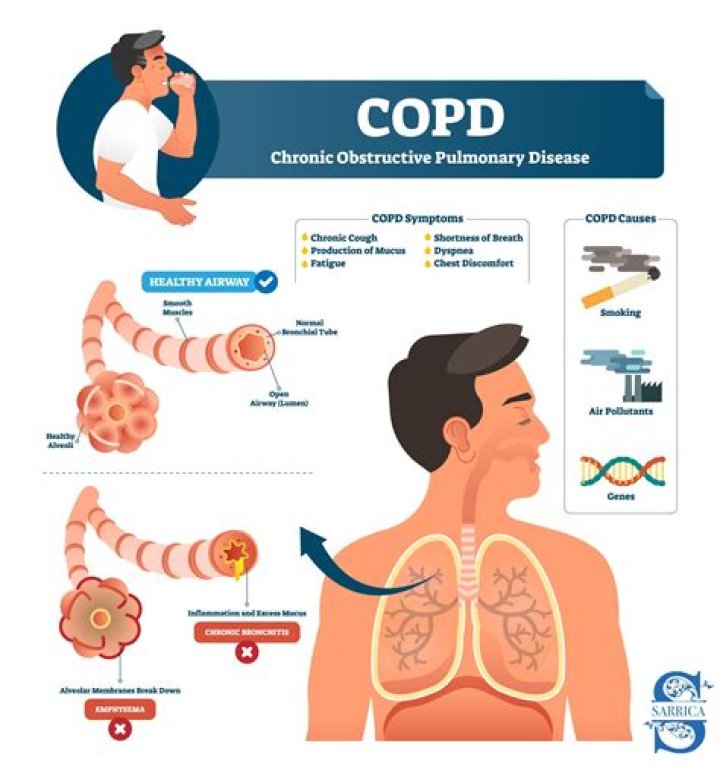
In emphysema, the inner walls of the lungs’ air sacs (alveoli) are damaged, causing them to eventually rupture. This creates one larger air space instead of many small ones and reduces the surface area available for gas exchange. Emphysema is a lung condition that causes shortness of breath.
What are the tiny sacs of air in the lungs called?
At the end of these airways are tiny air sacs called alveoli. This is where gas exchange happens. Under a microscope, the inside of your lungs look like a giant sponge. There are around 300 million air sacs in your lungs and if they were spread out, they would cover an area roughly the size of a tennis court!
What would happen to the pressure of air in your lungs when you inhale?
During the process of inhalation, the lung volume expands as a result of the contraction of the diaphragm and intercostal muscles (the muscles that are connected to the rib cage), thus expanding the thoracic cavity. Due to this increase in volume, the pressure is decreased, based on the principles of Boyle’s Law.
Do air sacs help birds fly?
The respiratory system of birds is also adapted to the demands of flight. Evolution has created an ingenious system that passes the air in a one-way, two-stage flow through the bird’s lungs. A breath of inhaled air passes first into the posterior air sacs and then, on exhalation, into the lungs.
What is the function of the air sacs?
It has many balloon-like sacs that can hold air. Alveoli structure and function? Alveoli are micro sacs in the lungs that function to facilitate gas exchange between the air and blood. Why do pollen grains have air-sacs?
Which is the animal with the most air sacs?
Air sac. Air sacs are spaces within an organism where there is the constant presence of air. Among modern animals, birds possess the most air sacs (9–11), with their extinct dinosaurian relatives showing a great increase in the pneumatization (presence of air) in their bones.
How do air sacs in the lungs help with gas exchange?
How do air sacs in the lungs help with gas exchange? Your lungs are not just like balloons. They are filled with millions of tiny air spaces called alveoli, which are the air sacs you mentioned. The reason the lungs don’t just have one big balloon, but instead contain millions of tiny balloons, is that each balloon has to have a wall.
What are the different types of air sacs?
Based on their bronchial connections, air sacs are grouped into a cranial group consisting of the cervical, clavicular, and cranial thoracic air sacs, and a caudal group consisting of the caudal thoracic and abdominal air sacs ( Fedde, 1980 ).
How do air sacs in the lungs work?
As the blood flows through these tiny blood vessels around the air sacs or alveoli, it exchanges carbon dioxide, which is dissolved in the blood, which gets chucked out of the blood because there’s more in the blood than there is in the air sac.
Where are the air sacs located in a bird?
The rest of this diagram shows the air sacs and other parts of a bird’s respiratory system:1 cervical air sac, 2 clavicular air sac, 3 cranial thoracal air sac, 4 caudal thoracal air sac, 5 abdominal air sac (5′ diverticulus into pelvic girdle), 6 lung, 7 trachea.
What is the function of air sacs in insects?
THIN-WALLED expansions of the tracheæ known as air sacs occur in those insects which have well-developed powers of flight. Misconception as to the function of these structures is common. They have been described as pumps, as reservoirs, and as balloons.
How are the air sacs related to the bellows?
The air sacs (through which no significant gas exchange takes place) together with the respiratory muscles form the bellows for ventilating the lungs.